
The IIHS-HLDI Strategic Plan, 2025-29
Focus Area 1
Reducing risky behavior
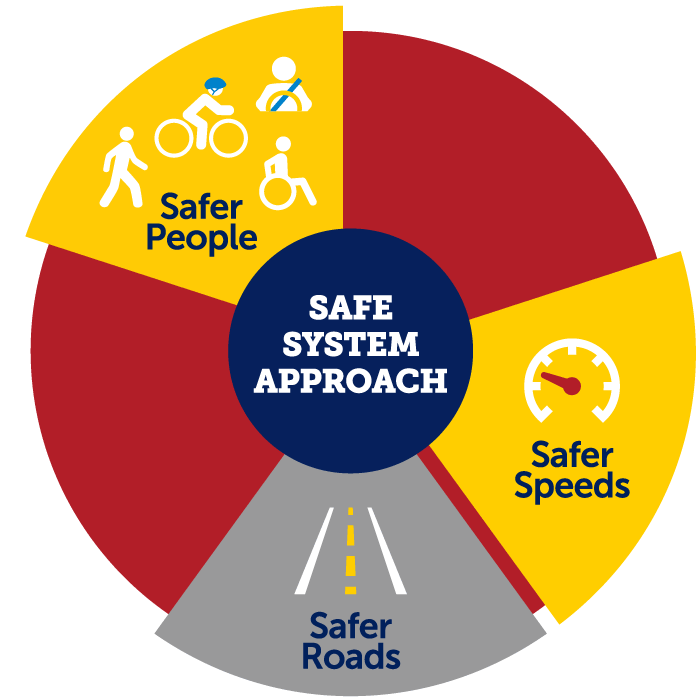
A wide range of strategies are relevant to this focus area. Some of them, such as enforcement strategies or road designs that reduce speeds, require buy-in from policymakers and transportation professionals in state and local governments. In those cases, we will focus on tools to persuade these audiences. This includes conducting research and generating materials for advocates to use. Federal regulation of new technologies relevant to driver behavior has been slow to roll out or nonexistent. So far, IIHS ratings programs for enhanced seat belt reminders and partial automation have helped to fill this gap. We plan to continue to leverage our expertise in vehicle safety to promote technology that improves driver behavior.
Yellow shading on the progress bar for each goal indicates a step has been completed.
Strategy 1
Develop tools and research that are useful for advocates and practitioners working to change road users’ behavior.
Goal 1.1.1
Develop economic analyses of the costs of risky-behavior crashes and savings associated with enacting and retaining effective countermeasures.
Initiate
Deliver
Maintain and expand
Goal 1.1.2
Develop products that help advocates and communities address risky driving, including messaging, calculators and shareable research summaries.
Deliver
Maintain and expand
Goal 1.1.3
Examine effects of policies and laws that regulate risky driving behaviors, how they are enforced and how they are adjudicated.
Deliver
Maintain and expand
Goal 1.1.4
Research and possibly promote mobile phones designed to mitigate driver distraction.
Initiate
Deliver
Goal 1.1.5
Examine and promote design and policy countermeasures for controlling speeds, including appropriate speed limits, traffic calming and self-enforcing roadways.
Initiate
Deliver
Strategy 2
Cultivate partnerships that can broaden our influence around reducing risky behavior.
Goal 1.2.1
Develop strategies for cultivating key partnerships and understanding stakeholder needs.
Deliver
Maintain and expand
Goal 1.2.2
Demonstrate and evaluate countermeasures through research partnerships with state and local highway offices and departments of transportation or with organizations such as the Governors Highway Safety Association and the American Association of State Highway and Transportation Officials, which can connect us to state agencies.
Initiate
Deliver
Maintain and expand
Goal 1.2.3
Develop partnerships with organizations such as the Association of Transportation Safety Information Professionals and data providers such as Cambridge Mobile Telematics to collect better data and make use of more data sources.
Deliver
Maintain and expand
Strategy 3
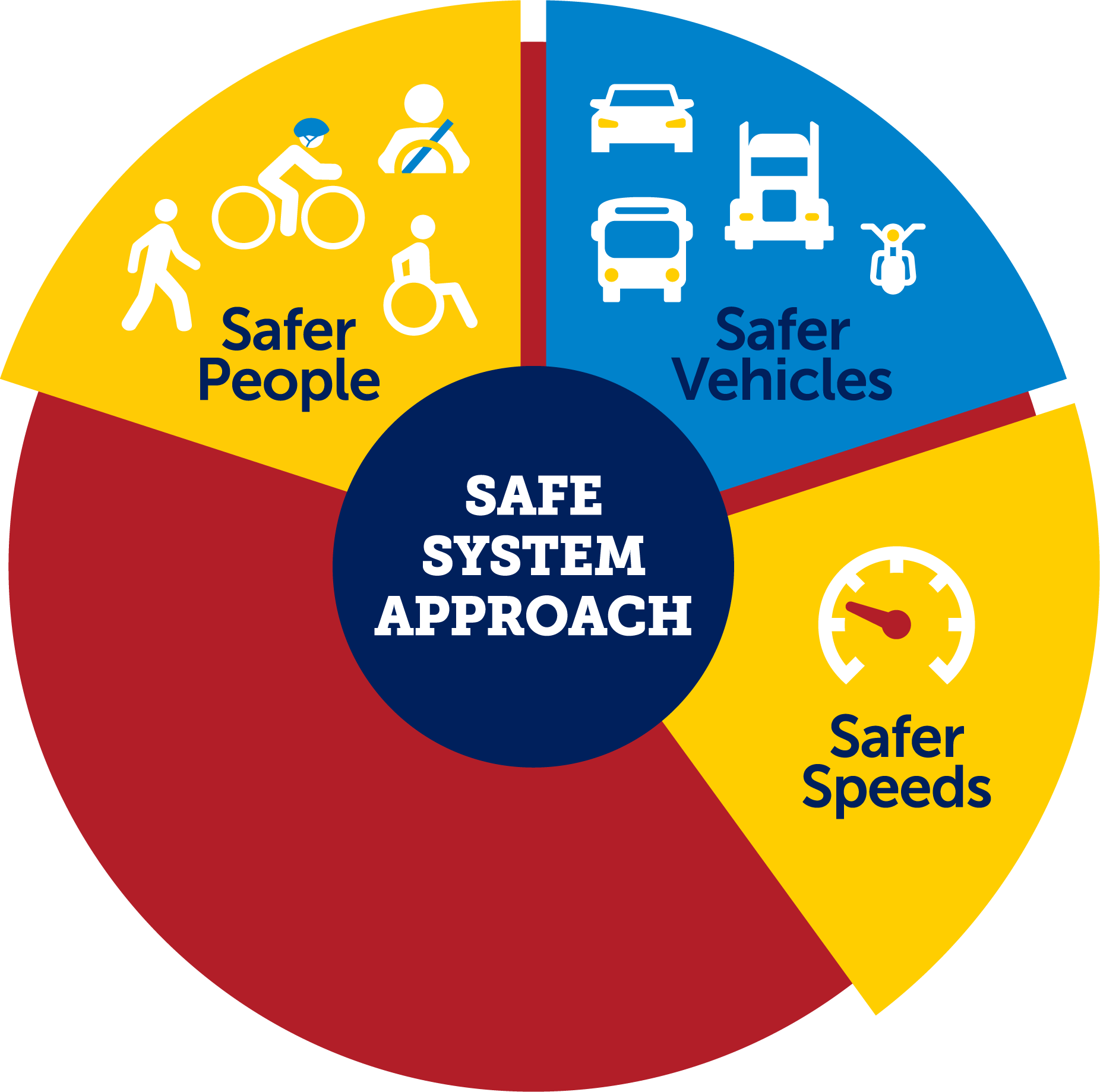
Research and promote vehicle features that can improve driver behavior.
Goal 1.3.1
Examine whether in-vehicle technology, such as enhanced seat belt reminders, impaired driving prevention, intelligent speed assistance and driver monitoring for distraction, is effective at reducing risky behaviors and accepted by the public.
Deliver
Maintain and expand
Goal 1.3.2
Use rating programs to promote uptake by automakers and consumers of effective features for reducing risky behavior.
Initiate
Deliver
Maintain and expand
Goal 1.3.3
Examine the nexus between distraction and partial automation using naturalistic driving data; promote effective countermeasures by expanding our partial automation safeguard ratings.
Deliver
Maintain and expand