Whiplash prevention
The whiplash prevention test simulates the effects of rear-end crashes on the body of the driver, focusing on the neck and spine.
The two trials simulate rear impacts in which the test vehicle is struck from behind by a vehicle of the same weight traveling at 20 mph and 30 mph.
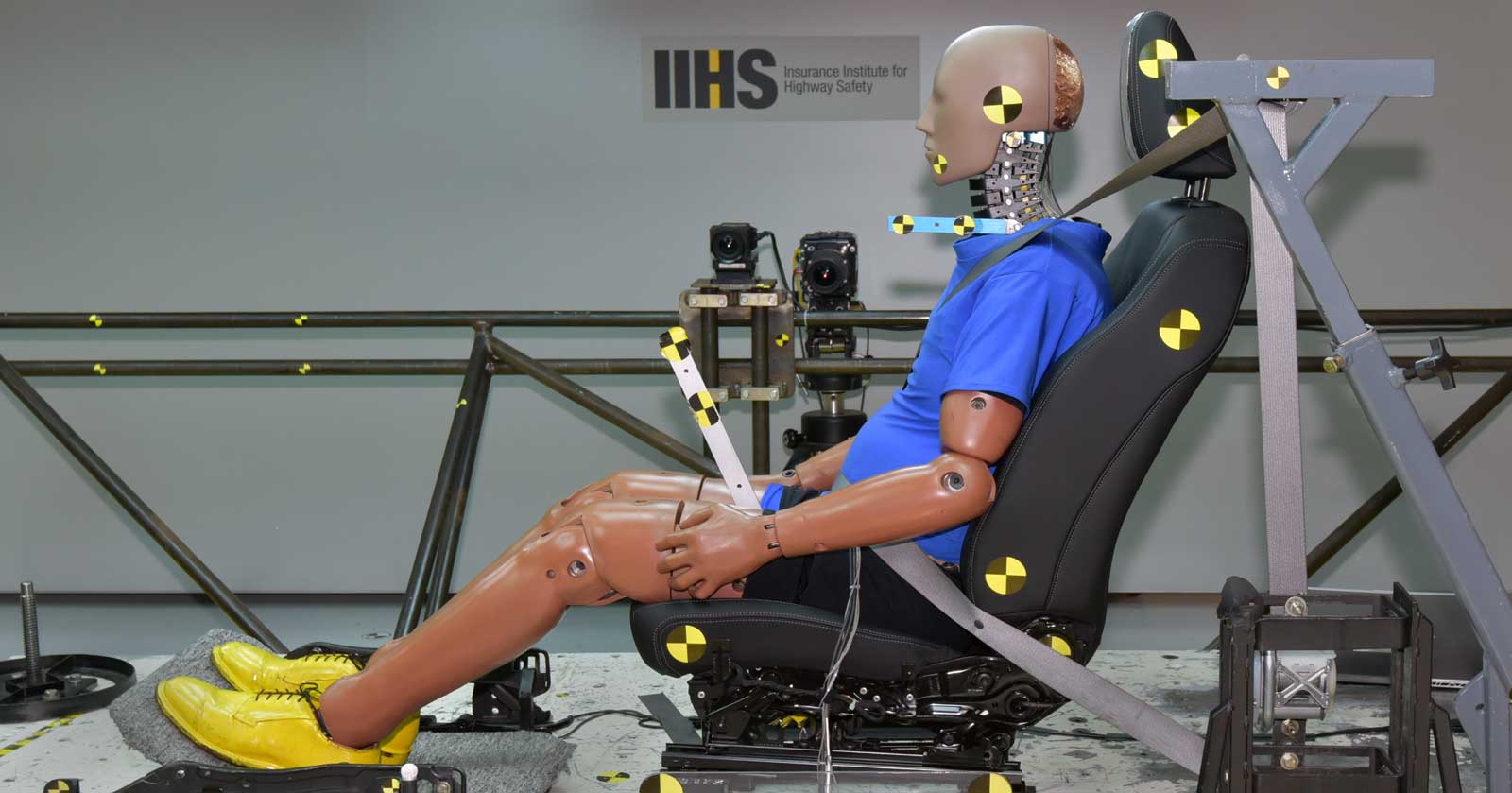
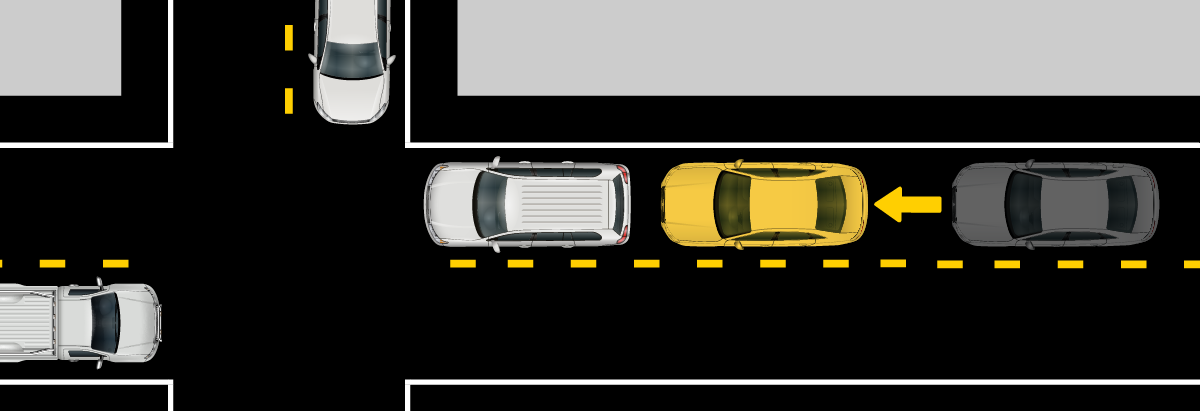
How the test is run
- The driver seat is removed from the test vehicle and secured to a sled.
- A BioRID-II dummy representing an average-size male is belted in the driver seat.
- The sled delivers sudden pulses of acceleration to simulate the effect of a stationary vehicle being struck from behind.
How vehicles are evaluated
- We gauge head and spine support by measuring the velocity of the head relative to the pelvis and the time that elapses before the head restraint contacts the dummy’s head.
- We evaluate how the seat and head restraints manage direct stresses on the neck by measuring the tilting and stretching forces.
- We assess how the seat manages energy transferred to the occupant by measuring how much the pelvis moves during the test and the acceleration of the T1 vertebra — the topmost segment of the thoracic spine, just below the neck.
Whiplash prevention test protocol and technical information.
For details on other current and discontinued tests, visit the About our tests page.