Insight
How crash avoidance tech simultaneously raises and slashes repair costs
August 11, 2026

By Matt Moore
Chief Insurance Operations Officer, IIHS-HLDI
How much did car repairs cost you last week?
If you got in a crash, you were probably shocked at the size of the bill. But if you made it through the week without hitting anything — and without anybody hitting you — you paid nothing. That in a nutshell is how crash avoidance systems are saving consumers money even as they also contribute to higher average repair costs: Though they’re expensive to fix, they’re remarkably good at preventing crashes.
According to the U.S. Bureau of Labor Statistics, the average price of vehicle repairs has risen more than 40% since 2020 — much faster than the rate of inflation. However, the number doesn’t capture repairs that were avoided because vehicles didn’t crash. Nor does it explain the myriad factors that have contributed to the increase.
The sensors used for automatic emergency braking, blind spot detection and other crash avoidance systems are often blamed for high repair costs, but there are many other causes. Components like headlights have become more sophisticated. SUVs and pickups, rather than hatchbacks and sedans, dominate the market. Ordinary cars are stacked with features that were once reserved for luxury models. Nearly two-thirds of new vehicles now have all-wheel or four-wheel drive, and more than half have turbocharged or hybrid engines or are fully electric.
All those things contribute to higher repair costs. Larger vehicles generate more energy when they crash, resulting in more severe damage. Fancier equipment — whether it’s power seats or an elaborate entertainment system — costs more to repair than the old basics. Advanced powertrains sometimes have more components to break and require specialized expertise to fix.
The role of crash avoidance features, also known as advanced driver assistance systems, is more nuanced.
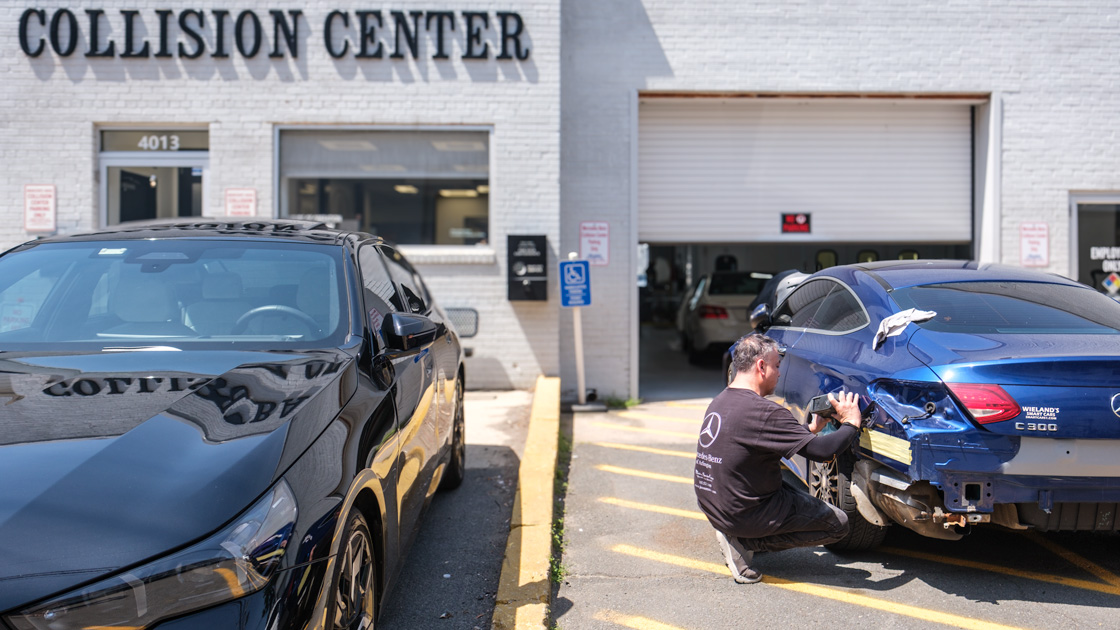
If a model equipped with automatic emergency braking, lane departure warning and blind spot warning and an identical model without those features both get into the same kind of front-to-rear crash, the equipped vehicle will be more costly to repair. The sensors are expensive and often require calibration after replacement.
On balance, however, these systems are saving drivers money. To understand how, it helps to look at some specific metrics used by the insurance industry.
Claim severity, which represents the dollar amount needed to settle a claim, is a good proxy for repair costs. Claim frequency, or how often claims get filed, is important for a different reason: It gives you a way to price in those repairs that never happened because you didn’t get in a crash. Overall losses are calculated by multiplying claim frequency by claim severity.
Under collision coverage, which pays for damage to the insured vehicle after a crash, claim severity numbers do show that repair costs are higher for vehicles with crash avoidance sensors. In one HLDI comparison of otherwise identical 2017-22 model year vehicles with and without a bundle of driver assistance features, collision claim severity was about 10% higher for the equipped vehicles. That lines up with what we know about sensor replacement.
However, what happens with claims under property damage liability (PDL) coverage, which pays for damage to the vehicle hit by the policyholder, suggests that something else is going on. PDL claim severity is also higher for the crash-avoidance-equipped vehicles — by an even larger 15%. Unless having crash avoidance features magically makes you more likely to hit other cars with crash avoidance features, there’s no way that’s related to the cost of sensor repairs.
What’s happening isn’t magic; it’s math. Crash avoidance systems prevent many of the low-speed fender benders that make up the bulk of claims under both collision and PDL coverage. The greater proportion of higher-speed crashes left over pushes up the average claim severity.
More importantly, the same study of 2017-22 models showed that claim frequency was lower for the equipped vehicles — about 10% lower for collision claims and almost 40% lower for PDL claims. As a result, overall losses, or the total amount it costs insurers to pay for all the claims in a given year, were about 5% lower for collision coverage and almost 30% lower for PDL coverage for the vehicles loaded with crash avoidance features.
That doesn’t just mean crash avoidance systems save insurance companies money; it means that, on average, drivers of equipped vehicles come out ahead too. After all, every crash avoided is a deductible you don’t need to pay.
It’s not all about the money either. Unlike light bars, turbochargers and other features that drive up repair costs, crash avoidance systems have safety benefits, as demonstrated by substantial reductions in injury claim frequencies. That means real pain and suffering avoided — far more important than dollars and cents.